A cardiac safety assay is only useful if its results hold up across compounds and laboratories. The Comprehensive in vitro Proarrhythmia Assay (CiPA) validation study put hiPSC-cardiomyocyte MEA assays to that test across independent sites using 28 compounds spanning low, intermediate, and high proarrhythmic risk.
The CiPA initiative was established to advance proarrhythmic risk assessment beyond approaches focused primarily on hERG block and QT prolongation by incorporating mechanistic and human-relevant methods.
As part of this effort, human induced pluripotent stem cell-derived cardiomyocytes (hiPSC-CMs) and microelectrode array (MEA) technology have been investigated as a way to measure integrated electrophysiological responses to drugs in vitro. An initial blinded CiPA pilot study evaluated hiPSC-CM assays across multiple cardiomyocyte types, test sites, and MEA platforms using a standardized protocol, providing a foundation for subsequent validation efforts.
In this video, explore the CiPA validation study results and learn how the Maestro MEA platform was used across independent test sites to assess drug-induced changes in cardiomyocyte electrophysiology and evaluate assay reproducibility.
>> Explore the research: Read the published CiPA pilot study examining cross-site reliability of hiPSC-CM cardiac safety assays using microelectrode arrays.
What is the CiPA initiative?
The Comprehensive in vitro Proarrhythmia Assay (CiPA) initiative was established to improve the identification of drugs associated with potentially dangerous changes in cardiac rhythm.
Rather than relying solely on individual ion channel effects, the CiPA framework incorporates multiple approaches to evaluate proarrhythmic risk, including computational modeling, integrated electrophysiological responses from human stem cell-derived cardiomyocytes, and clinical ECG assessment.
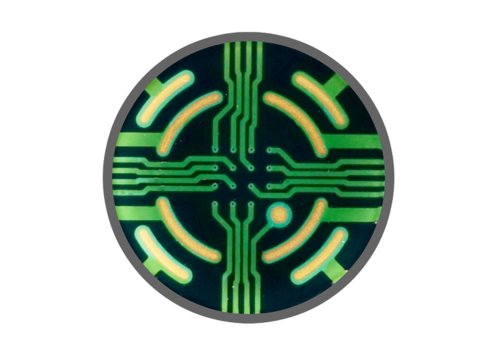
Using hiPSC-derived cardiomyocytes provides a human-relevant model in which researchers can evaluate the integrated electrophysiological response of cardiac cells to a compound. Microelectrode arrays (MEAs) enable these responses to be measured noninvasively by recording extracellular field potentials from interconnected cardiomyocytes.
From the CiPA pilot study to multi-site validation
Before the larger validation study discussed in this video, a blinded CiPA MEA pilot study evaluated whether hiPSC-CM electrophysiology assays could generate consistent results across different laboratories, cell types, and MEA platforms.
The pilot study evaluated eight well-characterized compounds across 18 individual studies, four cardiomyocyte types, three MEA platforms, and 13 performance sites using a standardized core protocol. The researchers evaluated electrophysiological endpoints including beat period, field potential duration, spike amplitude, and arrhythmia occurrence.
The study demonstrated that consistent concentration-dependent effects on repolarization could be achieved across multiple sites and platforms when standardized protocols and data inclusion criteria were used. These findings supported continued validation of hiPSC-CM assays for cardiac safety evaluation.
The subsequent validation effort expanded this approach to 28 compounds representing high, intermediate, and low/no levels of proarrhythmic risk, providing a larger test of the ability of hiPSC-CM assays to characterize drug-induced electrophysiological effects. The 2018 pilot publication described this expanded study as the next stage of CiPA validation.
How was the Maestro MEA platform used in the CiPA validation study?
The CiPA validation study brought together independent testing sites to evaluate compounds in a blinded fashion using human stem cell-derived cardiomyocytes.
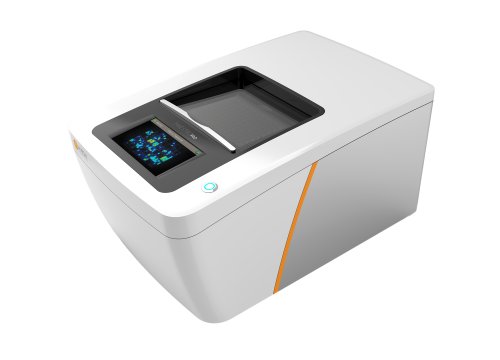
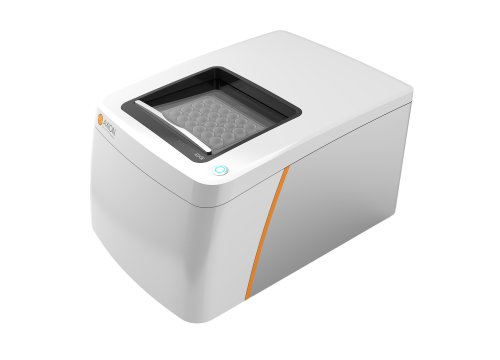
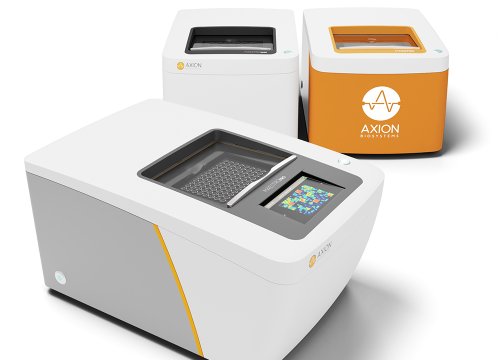
Axion BioSystems' Maestro MEA system was one of the instrument platforms selected for the study. In the results highlighted in this video, multiple participating sites used the Maestro MEA platform to characterize electrophysiological responses to the 28-compound test set.
By recording extracellular field potentials from cardiomyocyte networks, MEA assays provide functional measurements related to cardiac depolarization, repolarization, beat timing, and arrhythmic activity. This enables researchers to evaluate how compounds alter cardiac electrophysiology without disrupting the cellular network.
Why does cross-site reproducibility matter for cardiac safety assays?
For an in vitro cardiac safety assay to be useful across drug development programs, researchers need confidence that results can be reproduced across experiments and laboratories.
Cross-site reliability was therefore an important component of the CiPA research program. The earlier pilot study demonstrated that assay qualification based on pharmacological sensitivity reduced variability attributable to individual test sites. In the qualified pilot dataset, test site accounted for a relatively small proportion of overall variability compared with drug concentration, platform, and cell type.
The validation study discussed in this video extended the investigation to a larger compound set. The video highlights the reproducibility achieved by participating sites using Maestro MEA and the ability of the platform to support efficient testing of hiPSC-derived cardiomyocytes across the study.
What can MEA assays measure in hiPSC-derived cardiomyocytes?
MEA technology enables researchers to noninvasively monitor the electrical activity of interconnected cardiomyocyte cultures and characterize changes following compound exposure.
Cardiac field potential recordings can provide measurements including:
- Beat period to characterize changes in spontaneous beating
- Field potential duration (FPD) and rate-corrected FPD (FPDc) to assess changes associated with cardiac repolarization
- Depolarization spike amplitude to characterize effects on electrical activity
- Arrhythmic events, including electrophysiological abnormalities associated with early afterdepolarizations
These functional endpoints allow researchers to characterize concentration-dependent drug responses and investigate mechanisms associated with potential cardiac safety liabilities. The CiPA pilot study used these measurements to evaluate responses to compounds affecting individual and multiple cardiac ion currents.
Using hiPSC-cardiomyocytes and MEA for cardiac safety assessment
The CiPA studies demonstrate how human stem cell-derived cardiomyocytes and MEA-based electrophysiology can contribute to a more integrated assessment of drug-induced cardiac effects.
The pilot study found that qualified hiPSC-CM MEA assays detected concentration-dependent electrophysiological responses consistent with the known mechanisms of the compounds tested. It also demonstrated that standardized experimental protocols and appropriate assay qualification can improve consistency across sites.
For researchers evaluating potential cardiac liabilities during drug discovery and development, MEA assays provide a noninvasive way to examine functional cardiac responses across multiple wells while preserving the interconnected cardiomyocyte network.
>> Explore cardiac safety applications and learn how Maestro MEA assays can support functional assessment of hiPSC-derived cardiomyocytes.