Authors: Cecilia L. D'Antoni, Leila Pourtalebi Jahromi, Lorenzo Sana, Ana Paula Domínguez Rubio, Maja Dorfner, Jennifer Munkert, Heike Danzer, Philipp Arnold, Mikhail Lebedev, Esther Zanin, Oscar E. Pérez, and Gregor Fuhrmann
Advanced Healthcare Materials, 05 December 2025
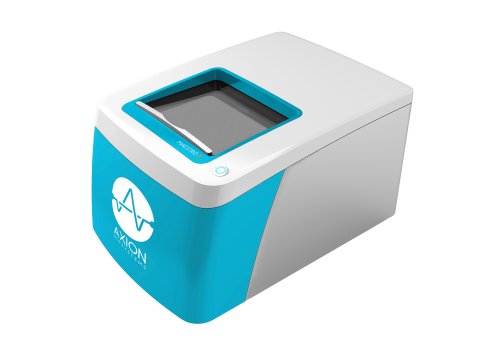
Using Maestro Z with integrated TEER measurements, researchers assessed how probiotic-derived membrane vesicles influence epithelial barrier integrity.
In this study, researchers investigated how membrane vesicles (MVs) secreted by the probiotic bacterium Lactobacillus casei affect epithelial barrier function. These vesicles are part of a broader class of probiotic-derived bioactive compounds known as postbiotics, which are increasingly recognized for their role in modulating host physiology and may offer a more suitable option than live probiotics for infants and immunocompromised individuals. While probiotics have been linked to barrier-supportive effects, the specific contribution of bacterial membrane vesicles to epithelial integrity remains poorly understood.
To directly measure barrier function, the authors used Maestro Z with TEER readouts to monitor CaCo-2 epithelial monolayers following MV exposure. TEER measurements revealed that MVs did not disrupt overall cell coverage, while subtle changes were detected at lower frequencies associated with barrier properties. These results highlight the value of label-free, real-time TEER measurements for resolving nuanced effects of postbiotic compounds on epithelial barriers—providing a functional readout that goes beyond morphology or viability alone.