Authors: Taeko Kuroda, Xiaobo Han, Toshiki Mochizuki, Yuto Ishibashi, Aya Goto, Yuki Seki, Norimasa Miyamoto, Takashi Yoshinaga, Shoji Asakura, and Ikuro Suzuki
Frontiers in Toxicology, 23 September 2026
The MEA Viability Module pairs electrophysiology with impedance-based resistance measurements in the same wells, adding cellular context to sensory-neuron responses to antibody-drug conjugates and their payloads.
Antibody-drug conjugates (ADCs) deliver potent anticancer payloads to tumors, but peripheral neuropathy remains an important adverse effect. Researchers used human iPSC-derived sensory neurons to compare three ADCs with their corresponding free payloads. By combining electrophysiological measurements, cellular morphology, and payload quantification, the team investigated how these treatments affect neuronal function under defined culture conditions.
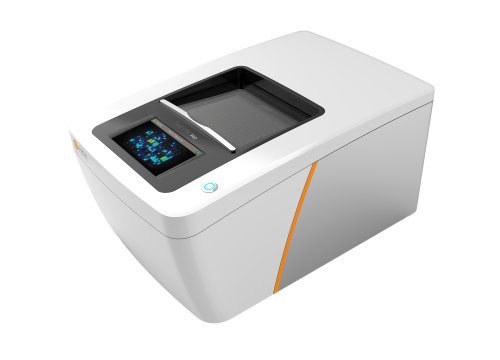
Using Axion BioSystems’ Maestro Pro system with the MEA Viability Module, the researchers tracked spontaneous firing, spike amplitude, and impedance-based resistance in the same wells over seven days. The module enabled repeated assessment of neuronal function alongside resistance changes associated with cell coverage, attachment, and morphology, providing complementary information from the same cultures. Free microtubule-inhibitor payloads MMAE and Lys-SMCC-DM1 suppressed activity and were accompanied by neurite fragmentation, while their corresponding ADCs showed limited detectable activity changes under the tested conditions. In contrast, SN-38 and its corresponding ADC, sacituzumab govitecan, increased neuronal activity.
Payload quantification at seven days revealed substantially higher measured payload levels following sacituzumab govitecan exposure than following the other ADCs. These results suggest an association between measured payload levels and neuronal functional responses, although a direct causal relationship remains to be established. The integrated approach provides complementary functional and structural information for ADC neurotoxicity research; limited effects in this isolated-neuron assay do not establish clinical safety.
Related Products