Authors: Kimberly Rockley, Ruth Roberts, Hannah Jennings, Karen Jones, Magali-Anne Maizières, and Michael Morton
Pharmacology Research & Perspectives, 08 September 2026
Human neuronal MEA recordings and ion-channel profiling distinguish compound-associated seizure liabilities and help explain findings across drug-development case studies.
Central nervous system adverse effects, including seizures, can halt drug development. Researchers evaluated applications of the in vitro seizure liability assay (iLAseizure), a new approach methodology (NAM) that combines human iPSC-derived neuronal network recordings with a panel of seizure-associated human ion channels. The study used mechanistic case studies to examine how the approach could support compound selection and investigation of safety findings.
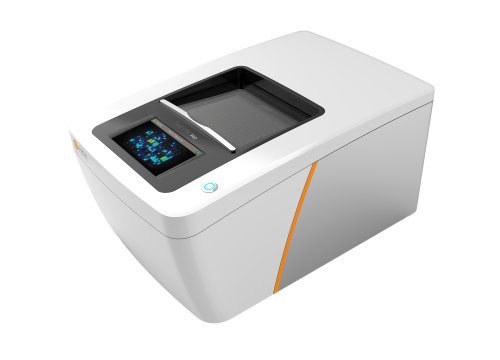
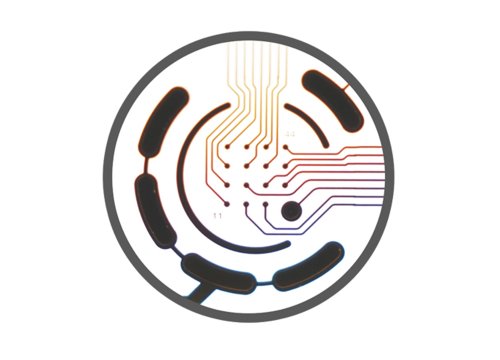
Using Axion BioSystems’ microelectrode array (MEA) system, the team recorded electrical activity in cultures containing glutamatergic neurons, GABAergic neurons, and astrocytes. Fifteen-minute baseline recordings were compared with recordings collected after one hour of compound exposure. Changes in spiking, bursting, and network activity distinguished responses among five compounds in a lead series, with one compound producing no changes in the assessed MEA parameters under the tested conditions. Complementary automated patch-clamp assays measured effects on individual ion channels.
In another case study, a dog-specific metabolite produced a seizurogenic MEA phenotype and inhibited NMDA receptors, providing a potential explanation for seizures observed in dog toxicology studies. The assay also differentiated two clinical candidates, one of which produced a seizurogenic phenotype at concentrations overlapping its clinical exposure. Together, the findings illustrate how functional neuronal measurements and ion-channel data can support investigation of seizure liability throughout development. The authors note that further validation and clarification of the assay’s context of use are needed.
Related Products