Authors: Hung Hong Nguyen, Juthamart Maneenet, Ashraf M. Omar, Tomoya Mori, Supawadee Daodee, Orawan Monthakantirat, Chantana Boonyarat, Charinya Khamphukdee, Yaowared Sumanont, Tsutomu Fujii, and Suresh Awale
Pharmaceuticals, 13 September 2026
Omni and Lux 2 live-cell imaging track pancreatic cancer cell responses to a lotus-derived compound across proliferation, migration, and 3D spheroid assays.
Pancreatic cancer cells can survive nutrient-poor conditions within the tumor microenvironment, making this stress tolerance a potential target for therapeutic discovery. Researchers isolated six alkaloids from Nelumbo nucifera petals and assessed their activity in human pancreatic cancer cells. N-nornuciferine preferentially reduced viability under nutrient deprivation in MIA PaCa-2 and KLM-1 cells. Under nutrient-rich conditions, it also suppressed MIA PaCa-2 proliferation, migration, colony formation, and spheroid growth.
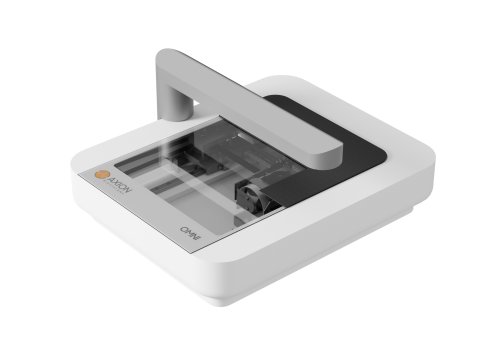
Using Axion BioSystems’ Omni platform, the team captured brightfield images every three hours over 72 hours to quantify cell confluence and every six hours to monitor 3D spheroid growth. Lux 2 imaging at 15-minute intervals followed morphological responses under nutrient deprivation and gap closure in a separate migration assay. These longitudinal measurements documented treatment-associated suppression of growth and gap closure, complementing endpoint viability and colony formation assays.
Mechanistic experiments under nutrient deprivation revealed increased MAPK phosphorylation and changes in autophagy-associated proteins, including LC3-II accumulation and reduced p62 levels. However, autophagy inhibitors did not rescue cell viability, so the findings do not establish autophagy as the cause of cell death. The study supports further investigation of N-nornuciferine’s anticancer activity and illustrates how live-cell imaging can characterize responses across 2D cultures and 3D tumor models.
Related Products