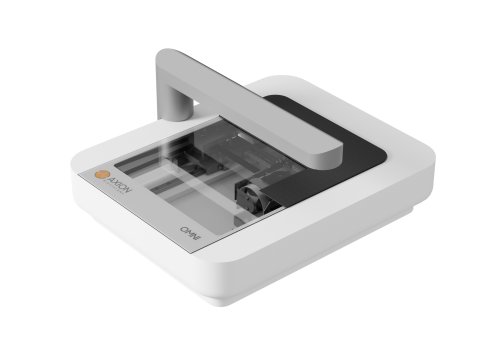
Patient-derived organoids are helping researchers build more clinically relevant models for translational oncology and preclinical drug discovery. In this webinar, Mushfique Alam explores how patient-derived gastric cancer organoids can be used to assess and predict chemotherapy response using the Omni live-cell imaging platform, highlighting their potential to improve how researchers evaluate therapeutic performance in complex cancer models.
For biotech, pharma, and academic teams working in oncology, this discussion offers valuable perspective on how organoid-based workflows can support more informed decision-making earlier in research. As advanced in vitro models continue to evolve, researchers need approaches that provide meaningful biological insight while supporting scalable, reproducible workflows.
About the presenter:
Mushfique Alam,
BMedSc MBChB MRCS
Mr. Mushfique Alam is a surgical registrar (senior resident) in General and Upper Gastro-Intestinal Surgery at University Hospitals of Liverpool Group in the UK. His clinical and academic interests focus on oesophago-gastric malignancies, particularly in utilising multi-modal techniques to guide the development of personalised oncological therapies. Supported by Professor Mark Pritchard and Dr. Carrie Duckworth, Mr. Alam’s post-doctoral research explored the utility of patient derived organoids as predictors of the response to gold standard neoadjuvant chemotherapy in patients with locally advanced gastric adenocarcinoma. For this he was awarded multiple prestigious grants including the Sir Alan Park’s Research Fellowship from the Royal College of Surgeons of England, an innovation grant from UK Research and Innovation and a Northwest Cancer Research grant for establishing the first patient derived organoid hub in the region.