Authors: Lennart Valentin Schneider, Michael Gani Setya, Guobin Bao, Daniel Härtter, Aditi Methi, Dennis Krüger, Marie Kristin Schreiber, Ole Jensen, Elisavet Kanari, Kea Aline Schmoll, Narasimha Swamy Telugu, Sadman Sakib, Eun Seo Kim, Aminath Luveysa Fahud, Maham Novin, Aylin Seedorf, Sebastian Diecke, André Fischer, Norman Y. Liaw, Wolfram-Hubertus Zimmermann, and Maria-Patapia Zafeiriou
Nature Communications, 02 September 2026
MEA and optogenetic stimulation reveal sympathetic neuron hyperactivity and functional neuro-cardiac coupling in a human model of KCNH2-associated arrhythmia.
The autonomic nervous system plays an important role in regulating cardiac function, but its contribution to inherited arrhythmias remains difficult to study in human models. In this study, researchers developed an innervated engineered human myocardium (iEHM) model by fusing human iPSC-derived sympathetic neuronal organoids with engineered human heart muscle. The resulting tissues formed structural and functional neuro-cardiac connections, providing a human multicellular system for investigating how neuronal and cardiac dysfunction interact.
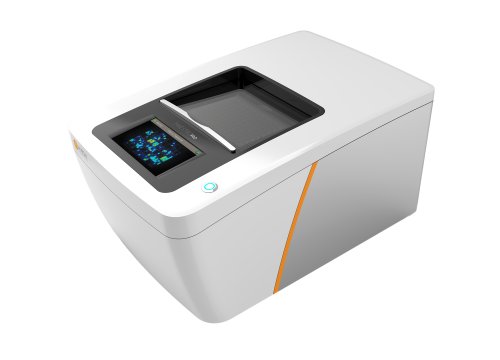
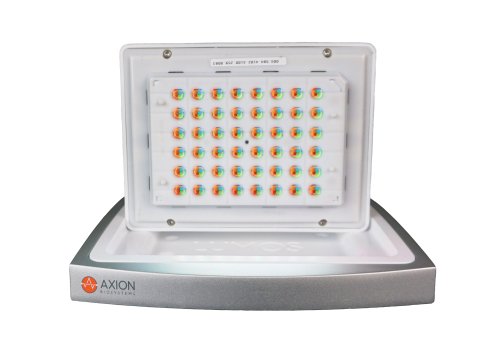
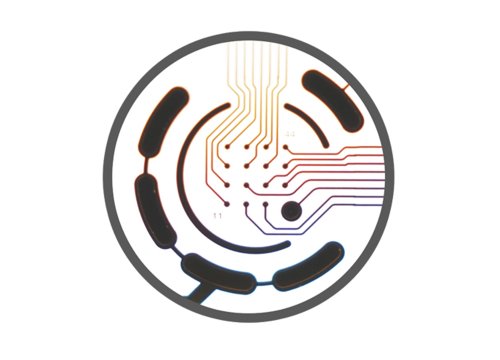
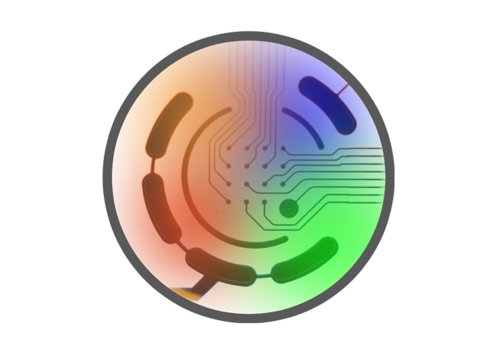
Using Axion BioSystems’ Maestro Pro MEA system, the team tracked spontaneous electrical activity in sympathetic neuronal organoids and found that network activity increased during maturation before stabilizing at approximately six weeks. Lumos optogenetic stimulation increased neuronal firing and network bursting, and stimulation of the neuronal component within innervated cardiac tissues increased cardiac beating rate, providing functional evidence that the neurons were communicating with the myocardium.
When the researchers introduced KCNH2 loss-of-function mutations associated with long QT syndrome type 2, sympathetic neuronal organoids developed a hyperactive phenotype characterized by increased firing, network bursting, burst duration, and synchrony. Combining mutant neuronal and cardiac modules showed that sympathetic hyperactivity could worsen the pro-arrhythmic phenotype. β-adrenoceptor blockade alone did not rescue the abnormal activity, whereas mexiletine, which targets excitability in both neurons and cardiomyocytes, was more effective. The authors describe iEHM as a human-relevant New Approach Methodology (NAM) for mechanistic studies and pharmacological testing of neuro-cardiac disease.