Authors: Hisato Iriki, Ruiqi Hu, Xu Li, Erdene Baljinnyam, Carina Habich, Ichiro Imanishi, Loan N. Miller, Kavya Chegireddy, Laraib Iqbal Malik, Daniel Yassky, Raphael Kübler, Aaron Ver Heul, Kathleen M. Smith, Peter Reinhardt, Eric R. Goedken, Brian S. Kim, and Samuele G. Marro
Stem Cell Reports, 9 July 2026
Maestro Pro MEA recordings show that iPSC-derived human pruriceptors respond to itch stimuli and JAK1 inhibition.
Chronic pruritus affects millions of people, but the lack of functional human models has limited studies of itch biology and therapeutic discovery. In this study, researchers developed a protocol to generate induced pruriceptors, or iPruriceptors, from human iPSCs by first differentiating cells into neural crest cells and then using NGN1 and ISL1 transcription factors to drive pruriceptor specification. The resulting cells expressed pruriceptor-associated markers and receptors, including TrkA, OSMR, IL31RA, TRPV1, RET, TRPA1, and PRPH.
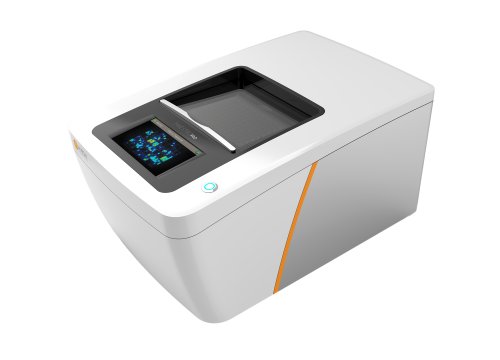
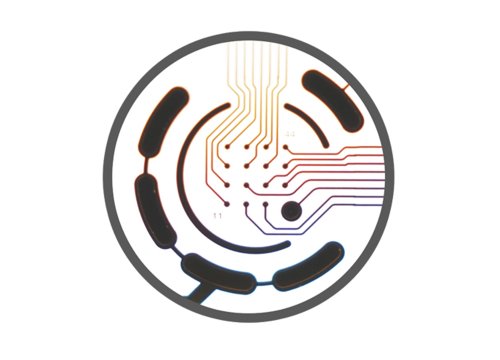
Using Axion BioSystems’ Maestro Pro MEA system, the team assessed whether the iPruriceptors were functionally responsive to itch-related stimuli. Cells matured with NGF showed increased mean firing rate in response to histamine, IL-31, and IL-13, while capsaicin did not significantly alter firing under the MEA recording conditions. Treatment with ABT-317, a JAK1 inhibitor tool compound, suppressed cytokine-driven responses to IL-31 and IL-13, supporting the model’s relevance for studying JAK1-dependent itch signaling. The team also generated functional iPruriceptors using a PiggyBac-based system, supporting a more scalable, non-viral approach for pruritus research and therapeutic screening.