Authors: Meijin Pan, Anirudh Acharya, Kwan Young Lee, and Nien-Pei Tsai
PNAS, 07 October 2026
Reducing PSD-95 activity may help address neuronal hyperexcitability linked to MEF2C deficiency.
MEF2C haploinsufficiency syndrome is a neurodevelopmental disorder associated with seizures, cognitive impairment, and altered neuronal activity. Researchers investigated the role of the synaptic protein PSD-95 in these abnormalities and found that reduced MEF2C expression increased PSD-95 levels, excitatory synapse formation, and NMDA receptor activity in mouse models.
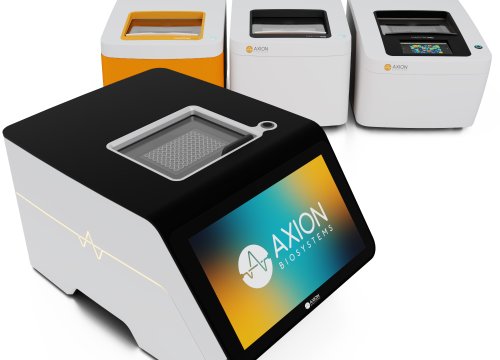
Using Axion MEA recordings, the team demonstrated increased firing and bursting in cortical neurons with reduced MEF2C expression. Reducing PSD-95 or disrupting its interaction with NMDA receptors decreased neuronal hyperexcitability, while PSD-95 knockdown also improved cognitive behaviors in mice. These findings identify PSD-95 as a potential therapeutic target for MEF2C haploinsufficiency syndrome.
Related Products