Authors: Xiaoli Jia, Qiuyan Zhu, Shaohua Wu, Zhihong Zhou, and Xian Jiang
Brain Network Disorders, 8 January 2026
Scientists use Maestro MEA to investigate how JNK and PI3K signaling pathways shape synapse formation and network dynamics.
The formation of synapses is fundamental to the development of functional neural circuits, yet the intracellular signaling pathways that govern this process remain incompletely understood. In this study, researchers investigated how two major pathways—c-Jun N-terminal kinase (JNK) and phosphatidylinositide 3-kinase (PI3K)—regulate synapse formation and spontaneous network activity in primary neurons.
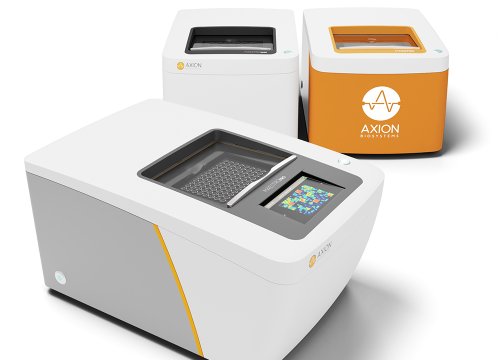
Using Axion’s Maestro MEA platform, the team recorded neuronal activity following pharmacological modulation of each pathway. Inhibition of JNK signaling led to reduced mean firing rate (MFR) and decreased network burst frequency, without significantly altering synchrony. In contrast, inhibition of the PI3K pathway increased network burst frequency and prolonged burst duration, revealing distinct and pathway-specific effects on network organization.
These findings demonstrate that JNK and PI3K signaling play differential roles in shaping synaptic development and emergent network behavior. By linking intracellular signaling cascades to measurable changes in functional connectivity, the study provides new insight into how molecular pathways sculpt neuronal circuit maturation.