Second ISTAND project advances Axion’s strategy to bring cardiac and neural New Approach Methodologies toward defined regulatory uses
ATLANTA—[November 11, 2026]—Axion BioSystems today announced that the U.S. Food and Drug Administration (FDA) has accepted its Letter of Intent (LOI) for a human stem cell-derived neural multielectrode array (MEA) assay for seizure liability assessment into the Innovative Science and Technology Approaches for New Drugs (ISTAND) qualification program. The project, DDT-IST-000074, is Axion’s second ISTAND project, following its human stem cell-derived cardiac MEA assay for proarrhythmia assessment, DDT-IST-000049.
Together, the projects represent a deliberate effort to advance established applications of MEA technology in safety pharmacology toward clearly defined regulatory uses. Both are human cell-based New Approach Methodologies (NAMs), combining stem cell-derived models with functional measurements to investigate how drug candidates affect human cells.
Drug-induced seizures are an important safety concern in pharmaceutical development. Existing nonclinical assessments rely heavily on animal studies, where interpreting behavioral signs such as tremors and abnormal movements as evidence of seizure activity can be challenging. Differences between species in pharmacology and metabolism can also complicate assessment of the relevance of these findings to humans. These challenges motivate the development of complementary assays that directly measure drug effects on human neuronal networks.
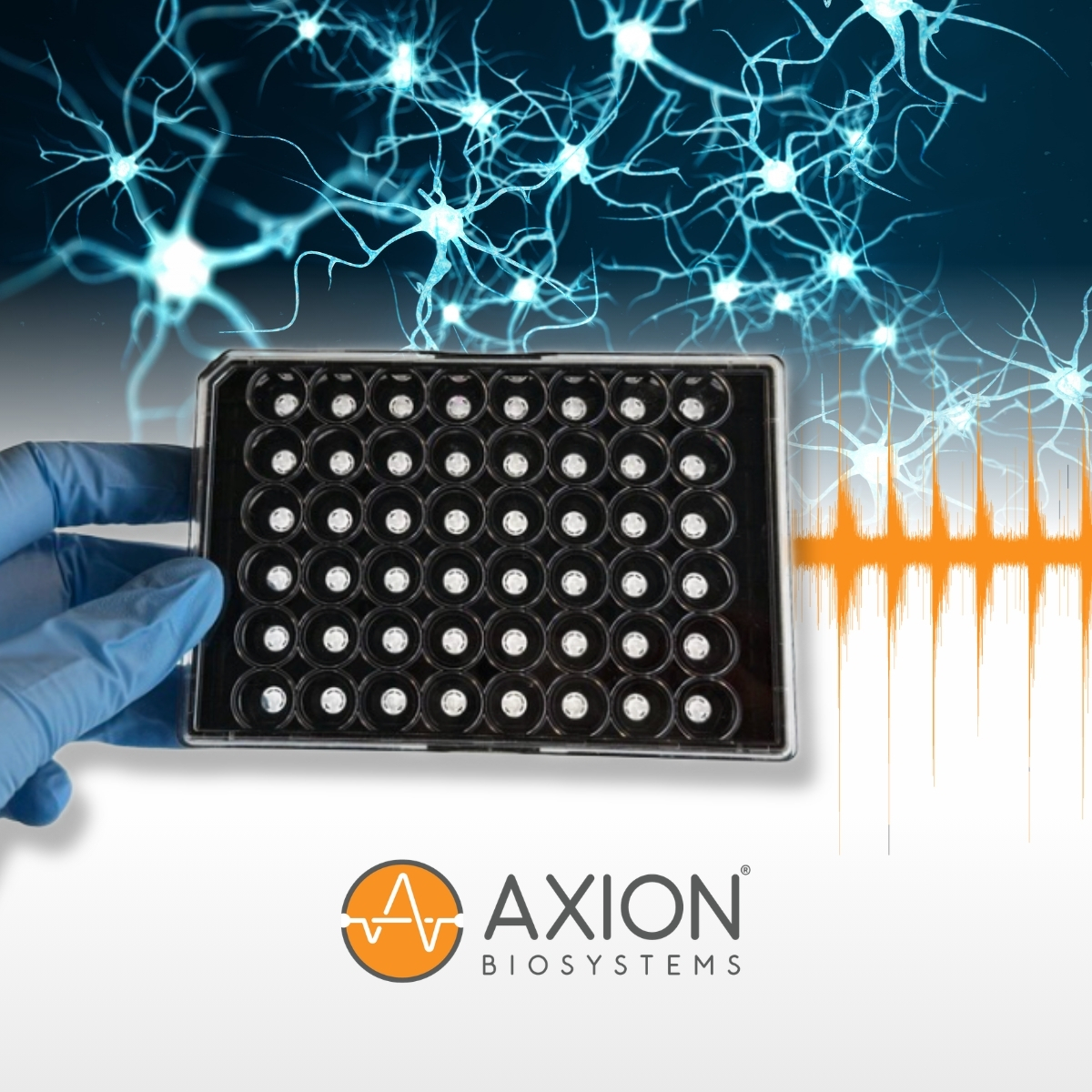
The proposed neural assay combines human induced pluripotent stem cell-derived neural (hiPSC-neural) cultures with Axion’s MEA technology. Label-free, noninvasive recordings measure compound-induced changes in neuronal firing, coordinated bursting, and network synchronization. Axion’s qualification effort will evaluate how these measurements can contribute to seizure liability assessment within a weight-of-evidence approach alongside existing animal studies and other relevant safety information.
“Acceptance of our second Letter of Intent into the FDA’s ISTAND program marks an important step in Axion’s commitment to advancing human-relevant NAMs,” said Julien Bradley, CEO of Axion BioSystems. “Our cardiac and neural projects build on years of MEA use in safety pharmacology. We are investing in the standardization and evidence needed to help drug developers use these functional assays with greater confidence in defined regulatory settings.”
The neural project also builds on collaborative work involving pharmaceutical companies, contract research organizations, academic researchers, and regulatory scientists to develop functional acceptance criteria and reporting recommendations for hiPSC-neural seizure liability MEA assays. This work addresses a practical challenge: determining when neural cultures have achieved the baseline activity and pharmacological responsiveness needed to generate interpretable assay data.
“The question is how to turn promising biology into an assay that can be relied upon for a specific decision,” said Mike Clements, PhD, SVP Scientific Partnerships & Strategy at Axion BioSystems. “That requires defining when the cells are ready for testing, standardizing how the assay is performed, and establishing what its results mean in the intended context. ISTAND provides a structured path to address those questions with the FDA.”
Acceptance of the LOI enables Axion to proceed to the Qualification Plan stage; it does not constitute FDA qualification or approval of the assay. Axion will address the FDA’s feedback as it develops the qualification plan. Through its two ISTAND projects, Axion aims to strengthen the evidence supporting human stem cell-derived functional assays and provide a clearer path for their use in drug development and regulatory review.
Related Products