New frontiers in cardiac organoid research
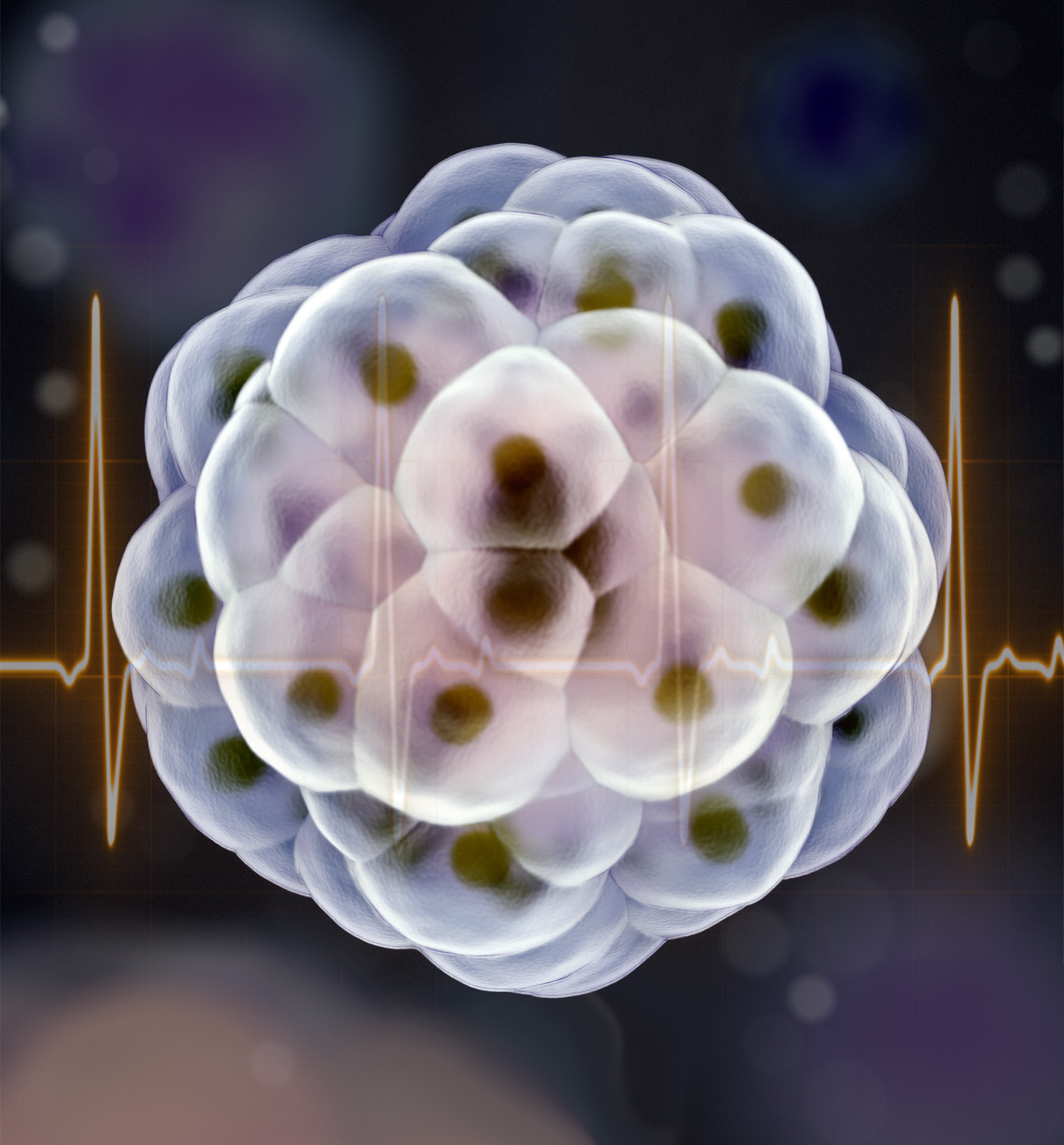
Three-dimensional cardiac organoids offer more physiologically relevant in vitro cell models of the human heart, enabling scientists to better mimic the complex structure and cellular environment found in vivo.
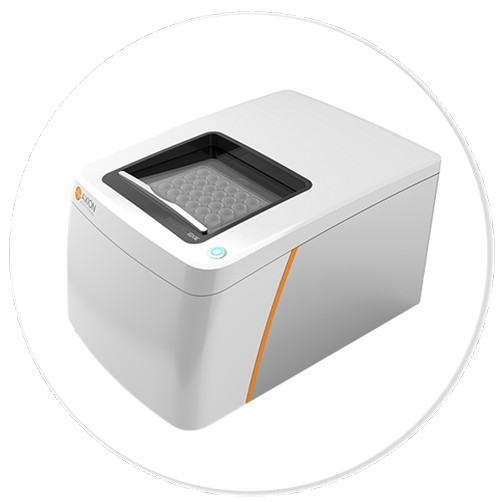
Discover how researchers are using 3D cardiac organoids on Axion BioSystems’ hands-free Maestro MEA platform to improve disease modeling, accelerate drug screening, reduce reliance on animal models, and facilitate the development of novel therapeutic approaches for heart disease.
Featured publications
>> Modeling myotonic dystrophy type 1 with hiPSCs-derived cardiac organoids reveals key disease mechanisms
Patient-derived cardiac organoids reveal how myotonic dystrophy type 1 drives distinct, time-dependent electrical abnormalities in ventricular and atrial tissue, offering a more physiologically relevant model of disease progression.
Jajkiewicz C et al. (2026) HeartRhythm.
>> Profiling immune-independent response to immune checkpoint inhibitors on stem cell–derived cardiomyocytes, organoids, and mouse models
Scientists demonstrate that certain immune checkpoint inhibitors disrupt cardiac electrical signaling in human cardiomyocytes and 3D organoids, revealing potential mechanisms underlying ICI-associated cardiotoxicity.
Thomas D et al. (2026) Circulation.
>> Bioengineering of heart–brain co-developoid model via trans-germ-layer co-development organoid chip
Scientists develop a chip that connects heart and brain organoids to study how different organs communicate, revealing coordinated neural and cardiac activity that offers new insight into interorgan development.
Huang X et al. (2025) Engineering.

>> Gastruloids enable modeling of the earliest stages of human cardiac and hepatic vascularization
Researchers introduce a strategy to generate vascularized cardiac organoids, overcoming a key limitation in organoid biology and advancing their use in modeling early heart development and vascular integration.
Abilez O et al. (2025). Science.

>> Evaluation of the cardiotoxicity of Echinochrome A using human induced pluripotent stem cell-derived cardiac organoids
Demonstrating human iPSC-derived cardiac organoids as “a reliable and physiologically relevant platform for assessing cardiotoxicity and drug safety,” scientists evaluate the cardiotoxicity and safety of Echinochrome A.
Lee S-J et al. (2025). Ecotoxicology and Environmental Safety.
>> Protocol to study electrophysiological properties of hPSC-derived 3D cardiac organoids using MEA and sharp electrode techniques
Researchers describe a detailed protocol for assessing the electrical properties of 3D human pluripotent stem cell-derived cardiac organoids using Maestro Pro multielectrode array (MEA) and manual electrophysiology.
Venkateshappa R et al. (2024). Star Protocols.
>> Modelling myocardial ischemia/reperfusion injury with inflammatory response in human ventricular cardiac organoids
Researchers model ischemia/reperfusion injury in cardiac organoids, showing that hypoxia/reoxygenation induces interferon-I–driven inflammation that can be reduced by anifrolumab, offering a human-relevant platform for cardiac drug screening.
Zhang L et al. (2024). Cell Proliferation.
>> Robust and customizable spheroid culture system for regenerative medicine
Seeking to advance the development of cardiac regenerative medicine, the authors present a novel spheroid culture system that integrates a coated mesh structure to control spheroid formation and enhance reproducibility.
Park KH et al. (2024). Biofabrication.
>> Frameshift variants in C10orf71 cause dilated cardiomyopathy in human, mouse, and organoid models
The authors use whole exome sequencing to identify a candidate gene causing dilated cardiomyopathy in a large family, then explore the underlying mechanisms using rodent models and stem cell-derived cardiac organoids.
Li Y et al. (2024). The Journal of Clinical Investigation.
>> Generation of human iPSCs derived heart organoids structurally and functionally similar to heart
Scientists present an optimized, Matrigel-based protocol to generate functional human-induced pluripotent stem cell-derived heart organoids optimized for use with Maestro Edge MEA in cardiac disease research and drug development.
Lee S-G et al. (2022). Biomaterials.
>> Modeling acute myocardial infarction and cardiac fibrosis using human induced pluripotent stem cell-derived multi-cellular heart organoids
Song M et al. (2024). Cell Death & Disease.

“Overall, currently the best MEA system on the market for analysis of cardiomyocytes.”
An easy-to-use system that offers a complete solution without the need for additional software or electrophysiological or bioinformatic skills. When you identify a proper way to plate your cells of interest in the MEA multi-well plates, measurements and data analysis is straightforward and the results are reproducible and of high-quality.
- L.C., University Medical Center Goettingen - Stem Cell Unit
Contact a Solution Specialist
Our specialists are available to provide more information about our systems for cardiac organoid assays.


