
Antibody-dependent cellular cytotoxicity (ADCC) is an immune-mediated mechanism in which antibodies bound to antigens on a target cell recruit immune effector cells, most commonly natural killer (NK) cells, to induce target-cell death. Maestro Z enables continuous, label-free monitoring of this antibody-dependent target-cell killing, providing real-time insight into the magnitude and kinetics of the ADCC response.
The Process of Antibody-dependent Cellular Cytotoxicity
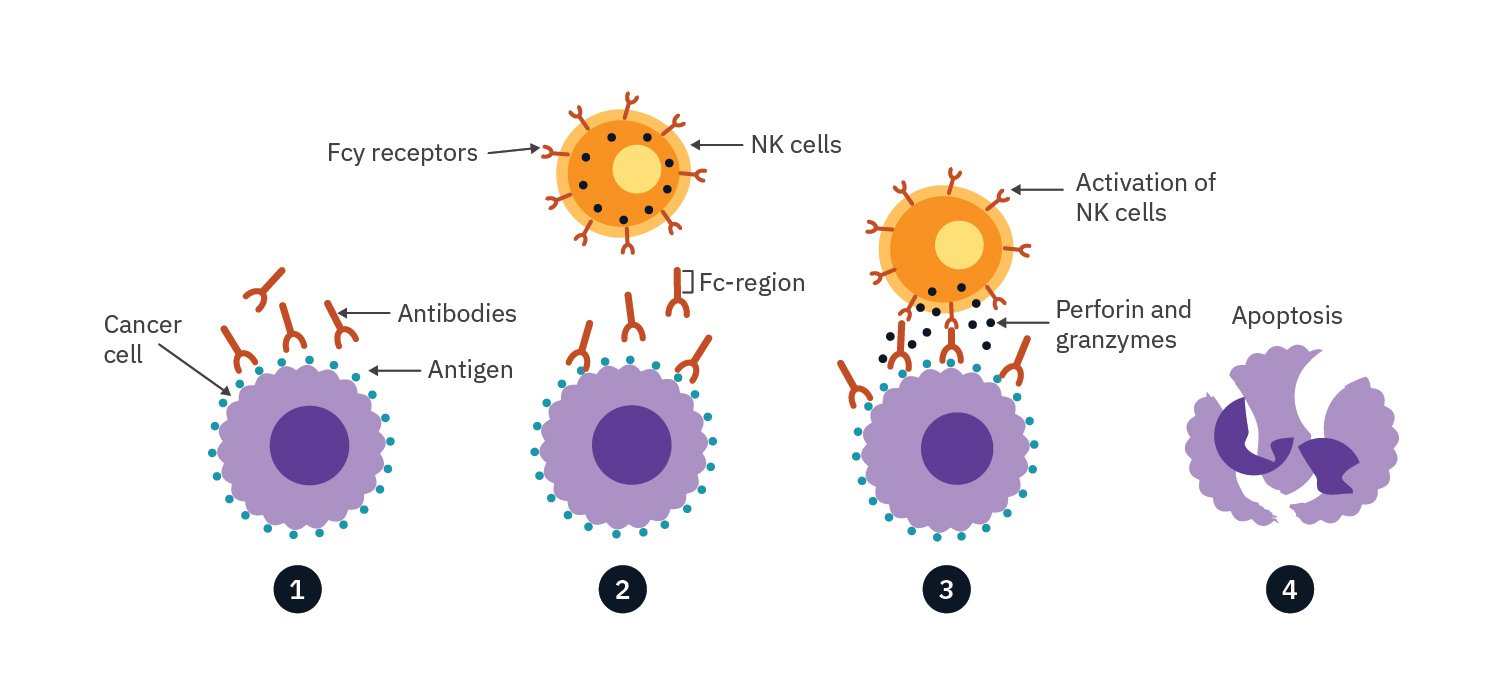
Antibody-dependent cellular cytotoxicity (ADCC) occurs through the following steps:
1. Antibodies bind to antigens on the cancer cell
2. Fcy receptors on natural killer cells recognize and bind to the antibodies Fc-region
3. The NK cells release granzymes and perforin to lyse the cancer cells
4. The cancer cells dies through apoptosis
ADCC Immunotherapy Assays
-
Assess antibody-dependent cellular cytotoxicity>
-
Standardize effector:target ratios for an optimal ADCC response >
-
Examine ADCC across multiple donors >
-
Application Note: Quantifying NK-mediated cytolysis of glioblastoma in vitro with Maestro Z (Application Note) >
Purpose: Compare antibody-dependent NK-cell killing with baseline NK-cell-mediated cytotoxicity and evaluate the contribution of Fc receptor-dependent activity.
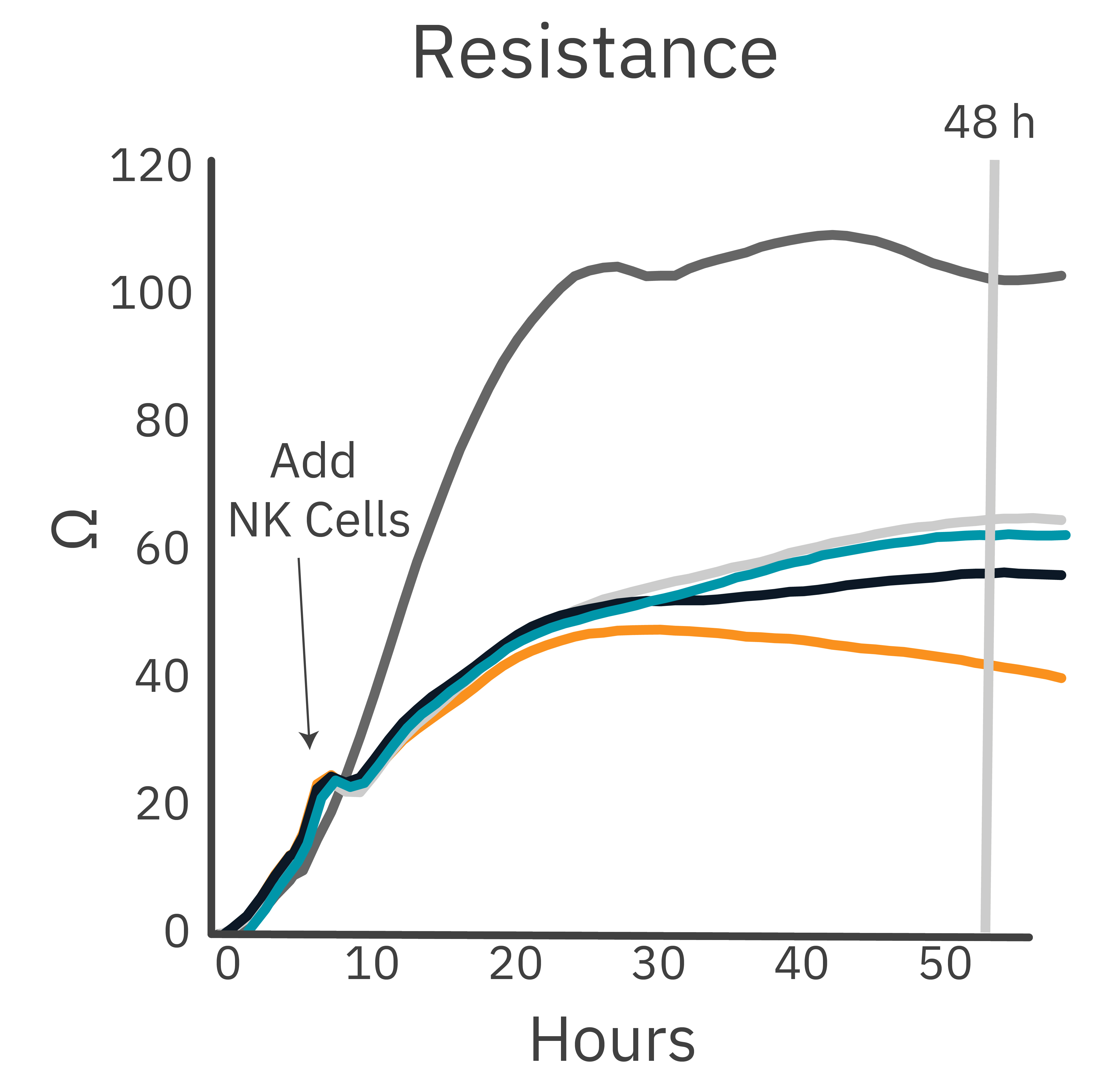
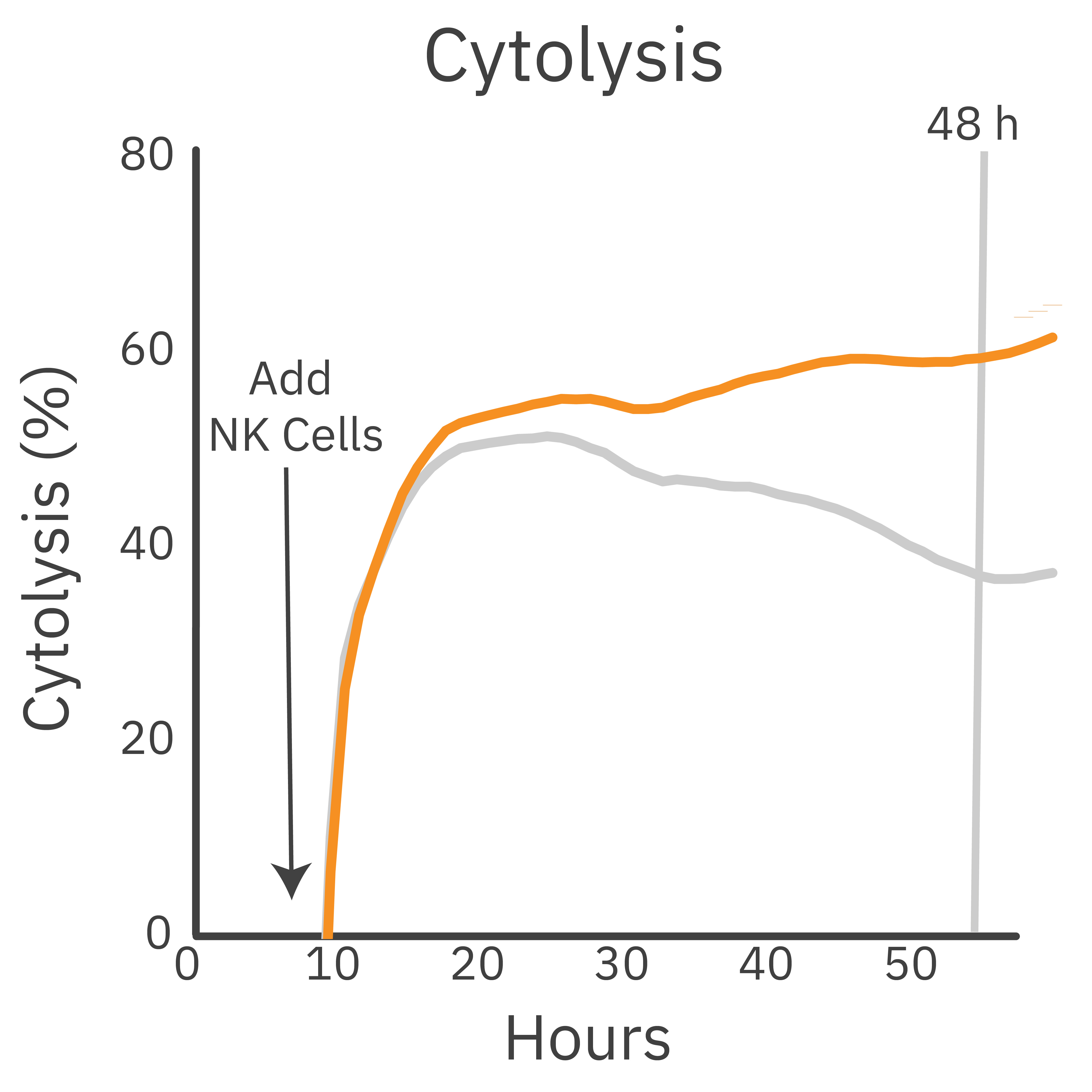
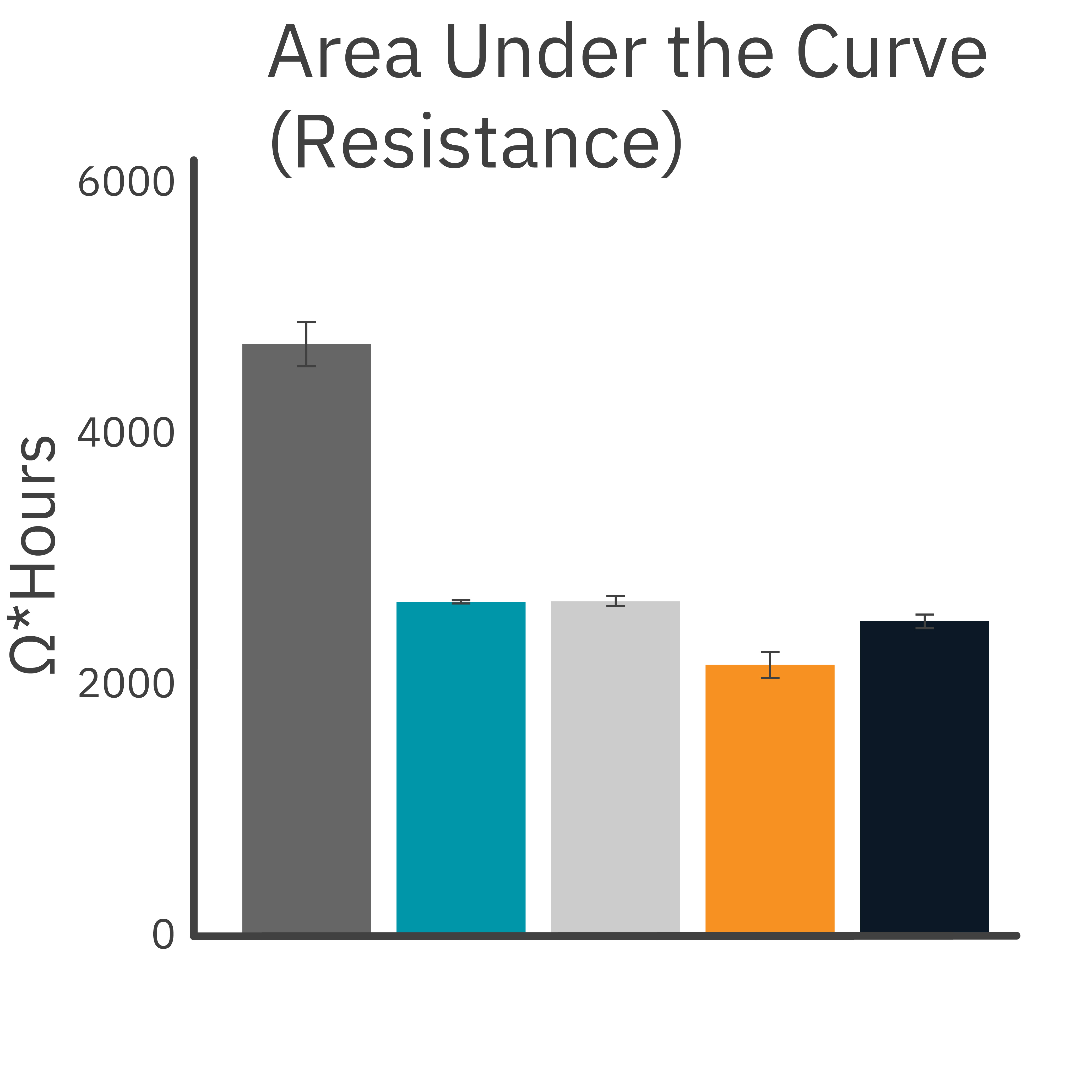
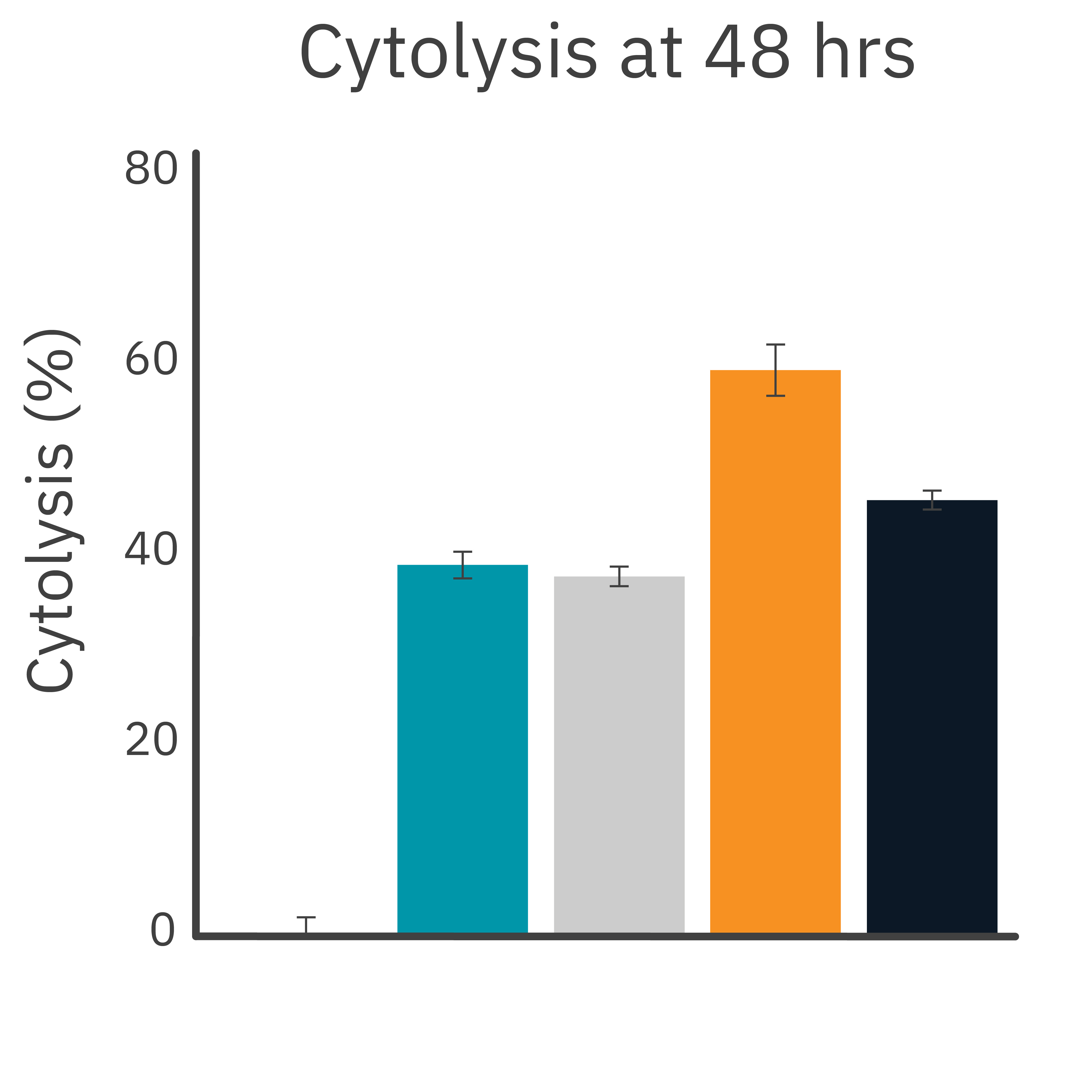

Cancer cells were treated with trastuzumab, a HER2-targeting monoclonal antibody, and co-cultured with NK cells in the presence or absence of anti-CD16. Target-cell response was monitored using the Maestro Z platform.
Result: Trastuzumab increased NK-mediated cytotoxicity. Addition of anti-CD16 partially inhibited this response, supporting a CD16-dependent mechanism of antibody-mediated killing.
Purpose: Determine how effector-to-target (E:T) ratio influences the magnitude and kinetics of an ADCC response.
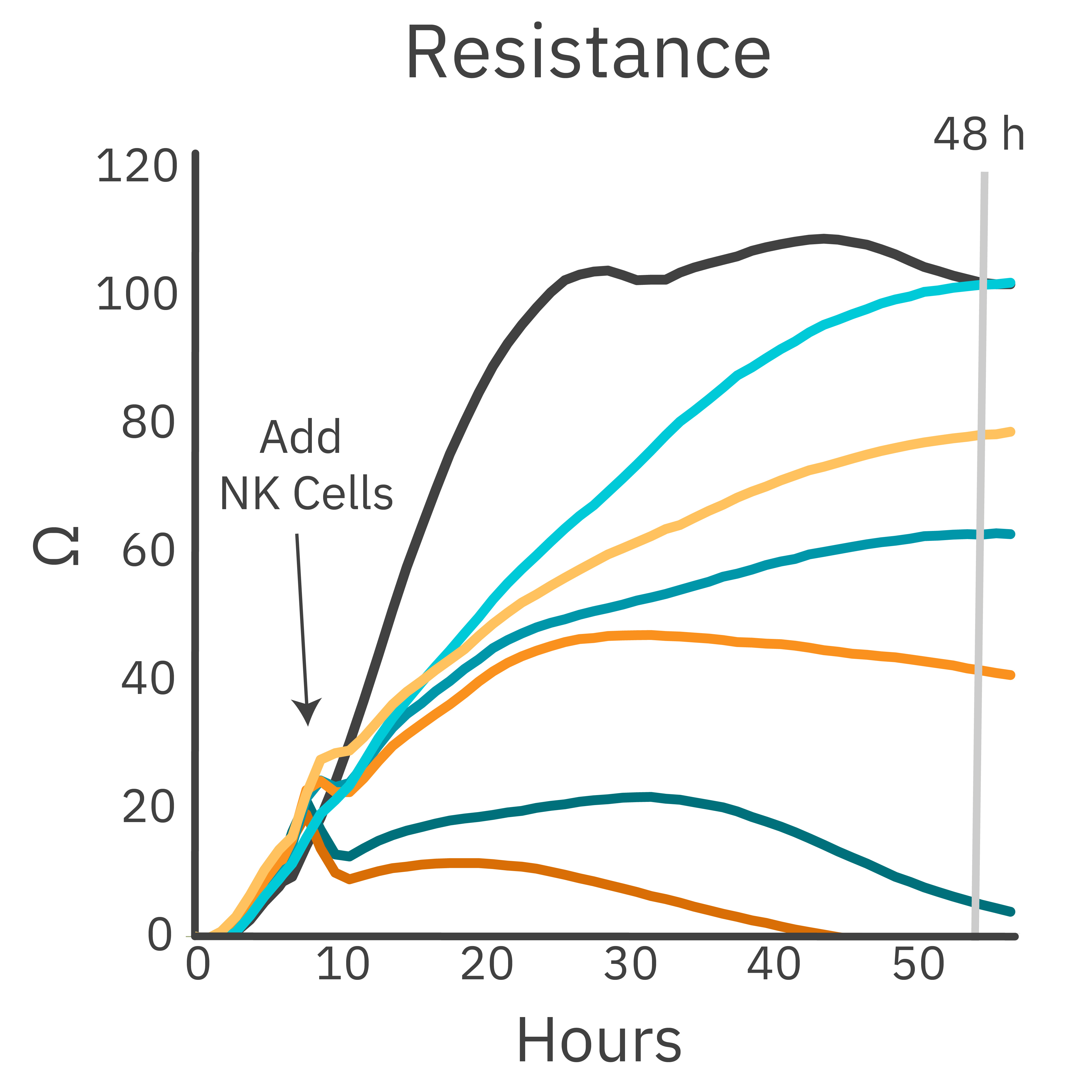
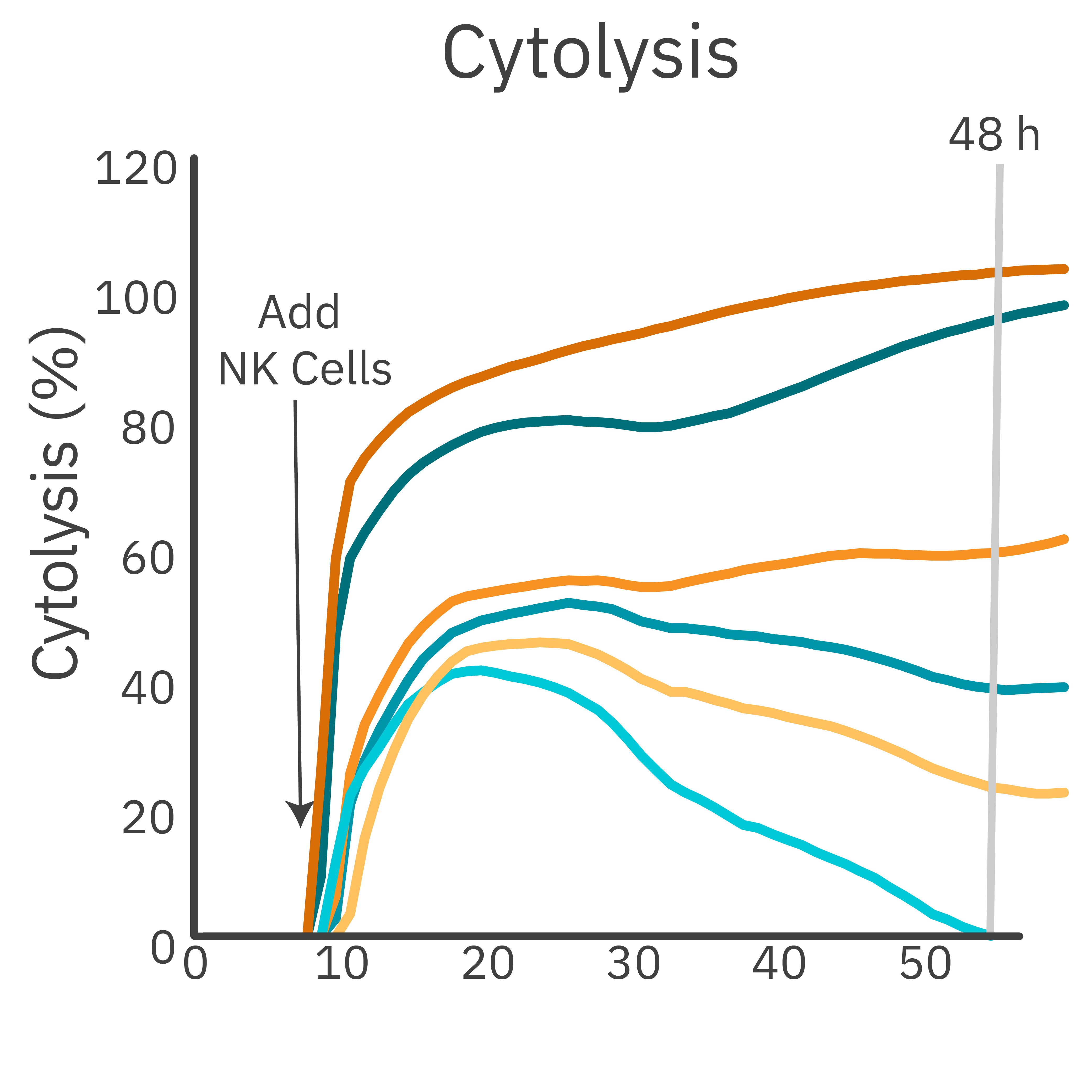

Cancer cells and NK cells were combined at multiple E:T ratios in the presence or absence of trastuzumab, and target-cell killing was monitored using Maestro Z.
Result: ADCC was detectable across the tested E:T ratios, with differences in the magnitude of antibody-dependent killing observed as the number of effector cells changed.
Characterizing the E:T response is an important step in assay optimization because excessively high baseline NK-cell cytotoxicity can reduce the assay window for measuring antibody-dependent effects.
Purpose: Evaluate donor-to-donor variation in baseline NK-cell cytotoxicity and antibody-dependent killing.
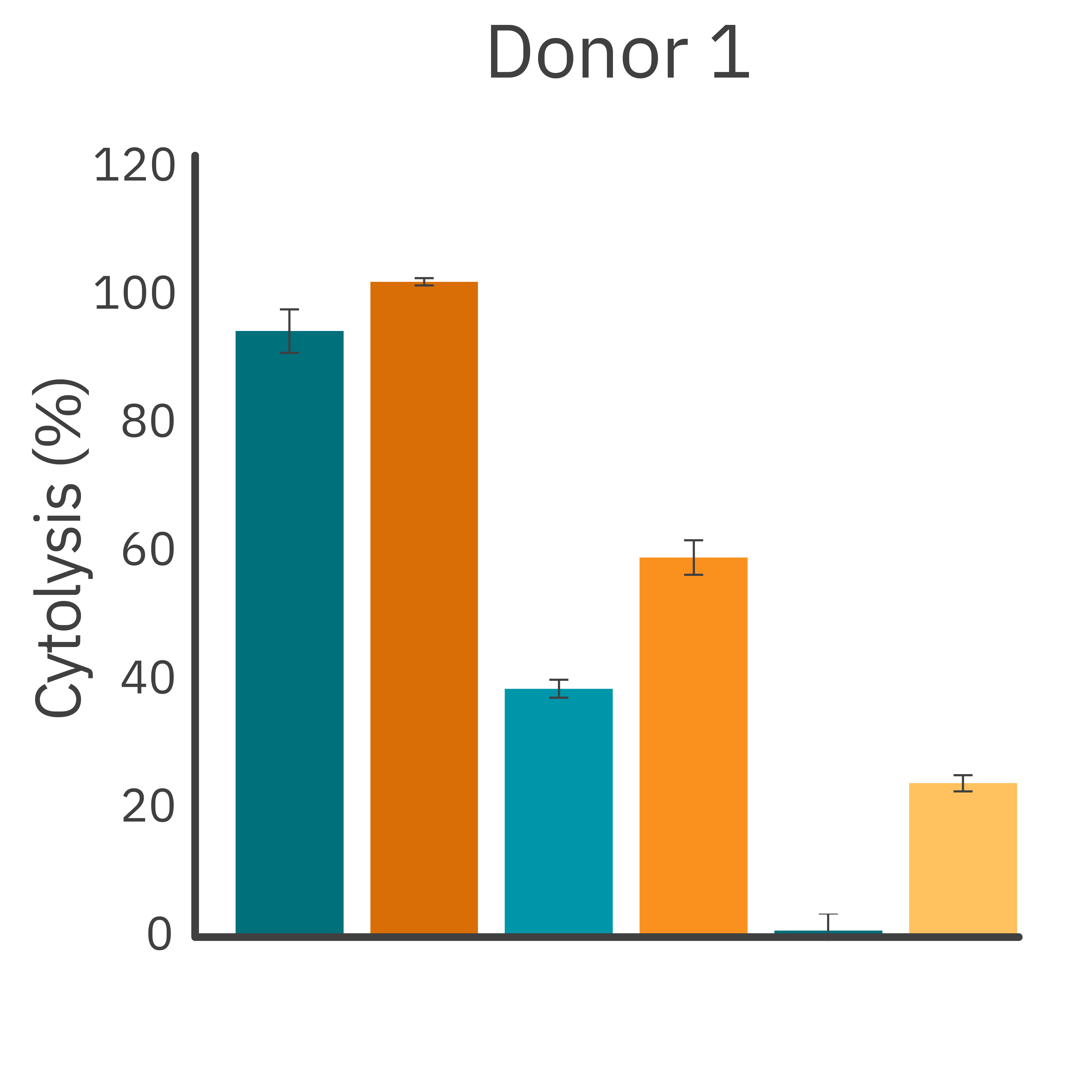
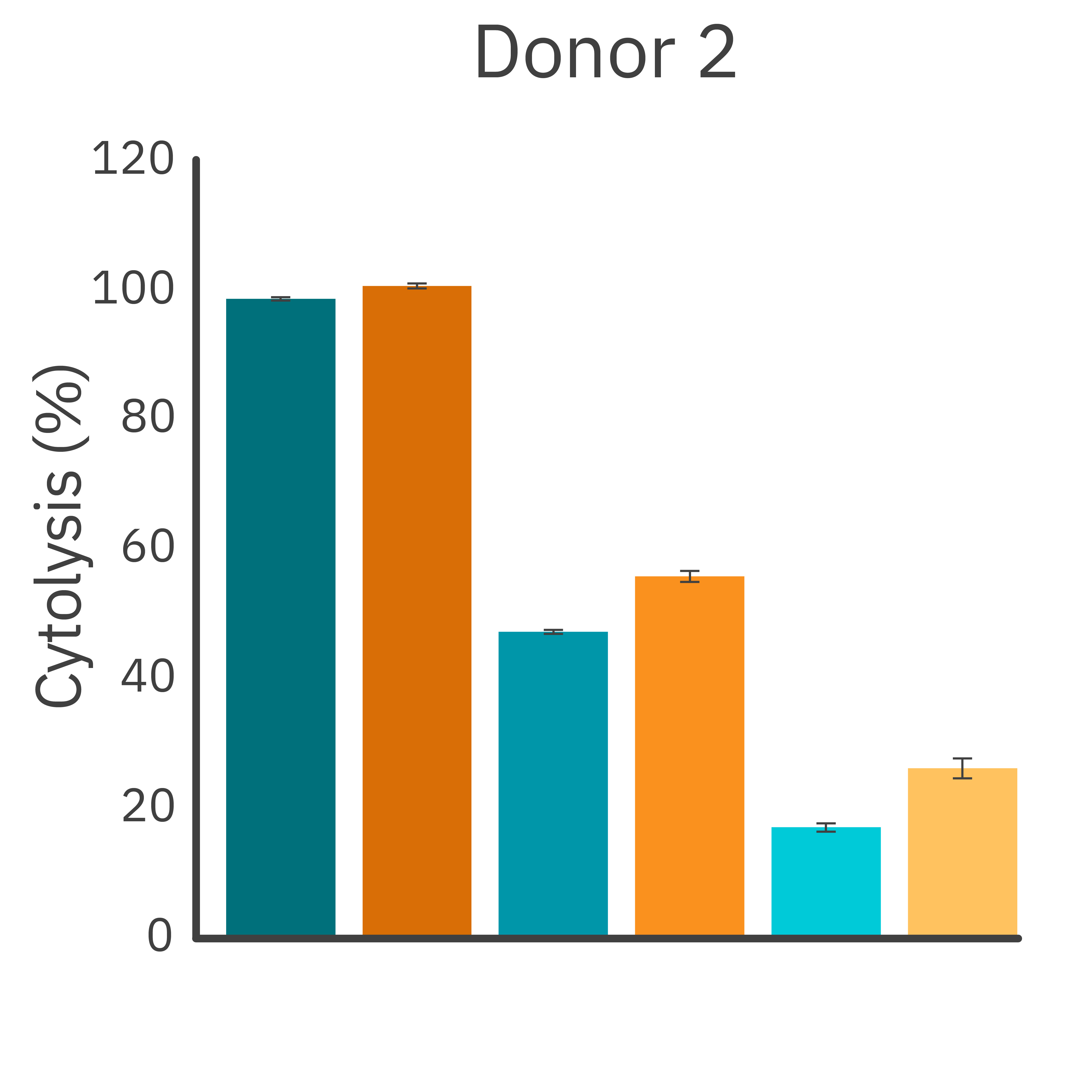
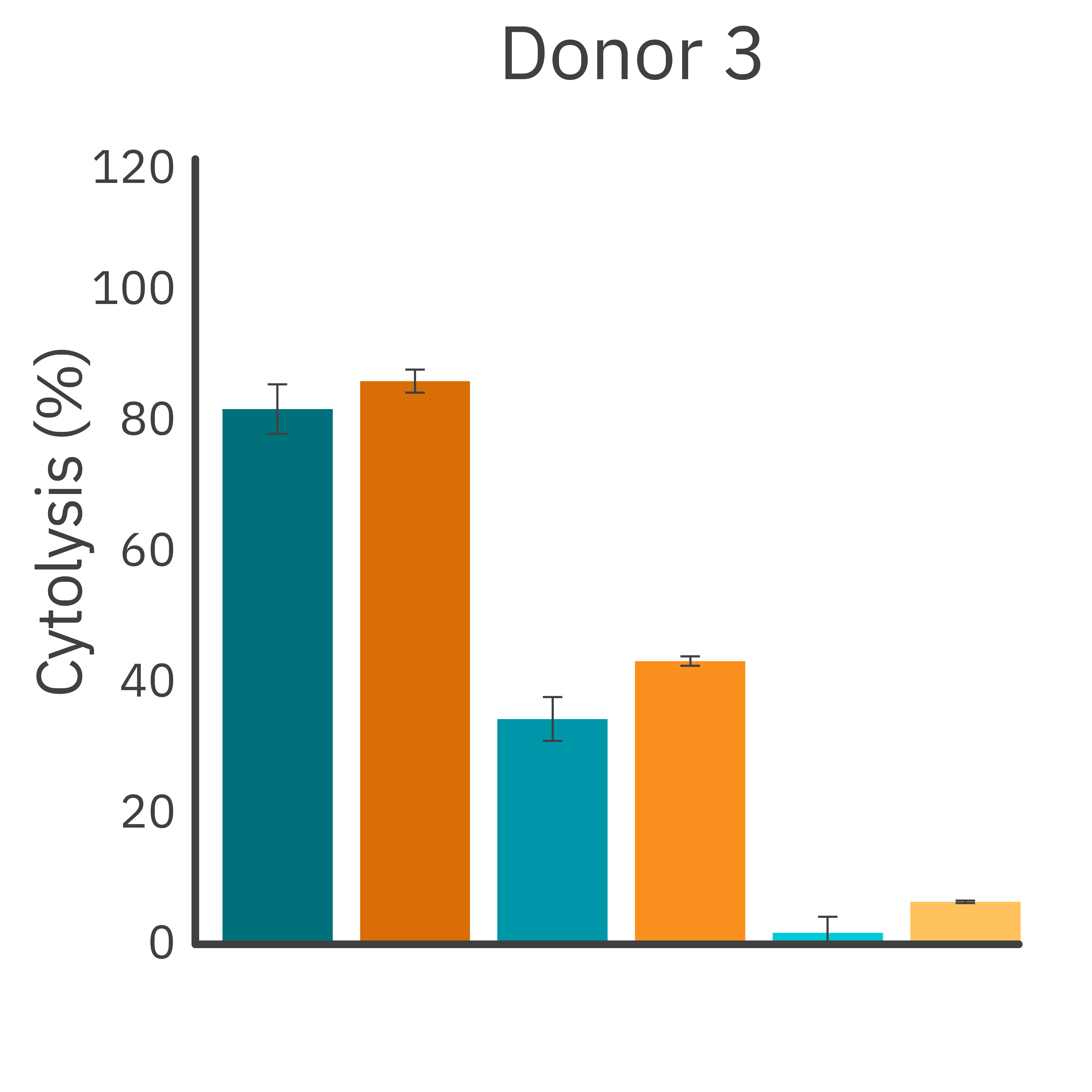
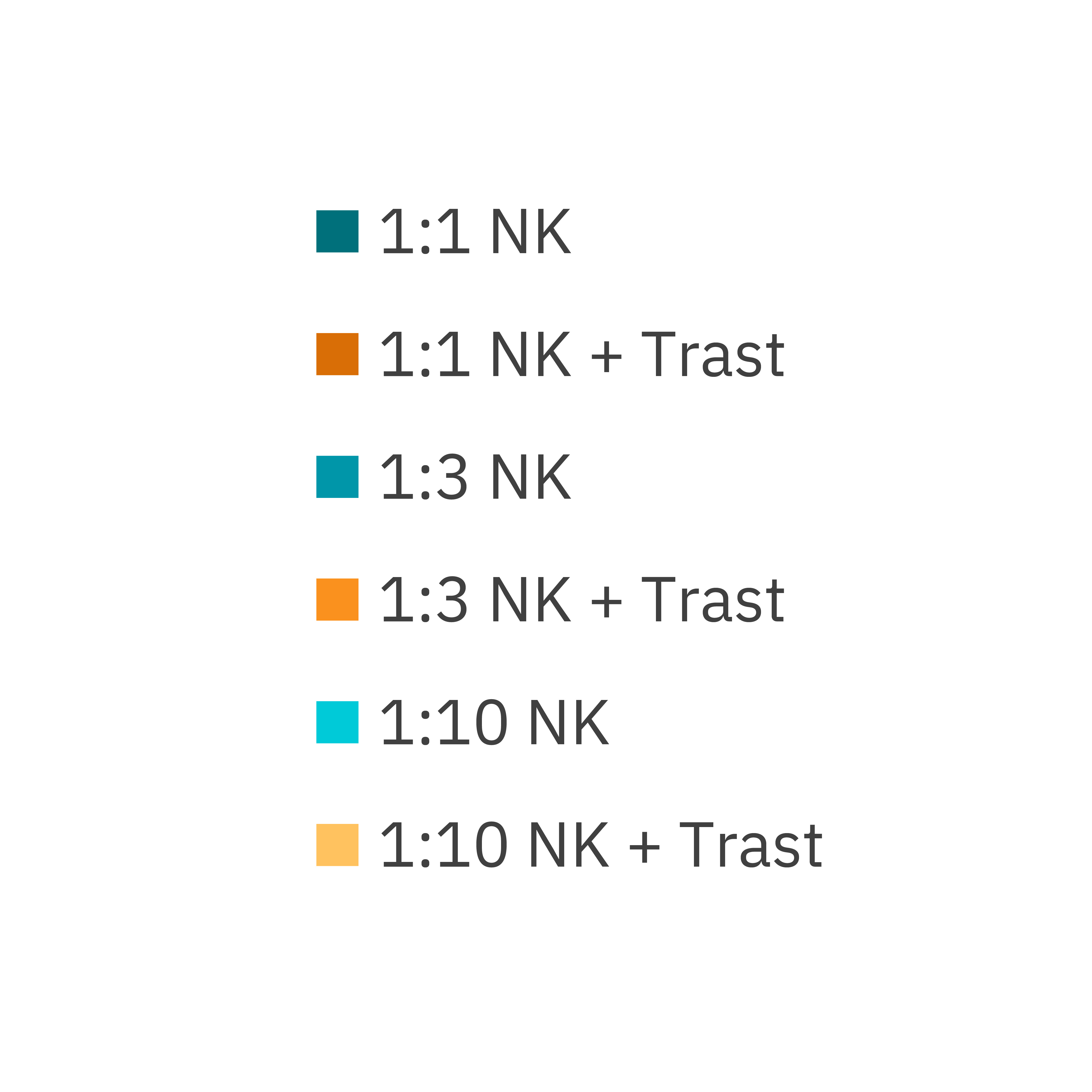
NK cells isolated from multiple donors were co-cultured with target cells, and cytolysis was monitored in the presence and absence of trastuzumab using Maestro Z.
Result: NK-cell-mediated killing and trastuzumab-dependent ADCC were observed across donors, while the magnitude and kinetics of the response varied between donor populations.
Characterizing donor variability can help establish assay robustness and identify biological differences that may influence therapeutic response.
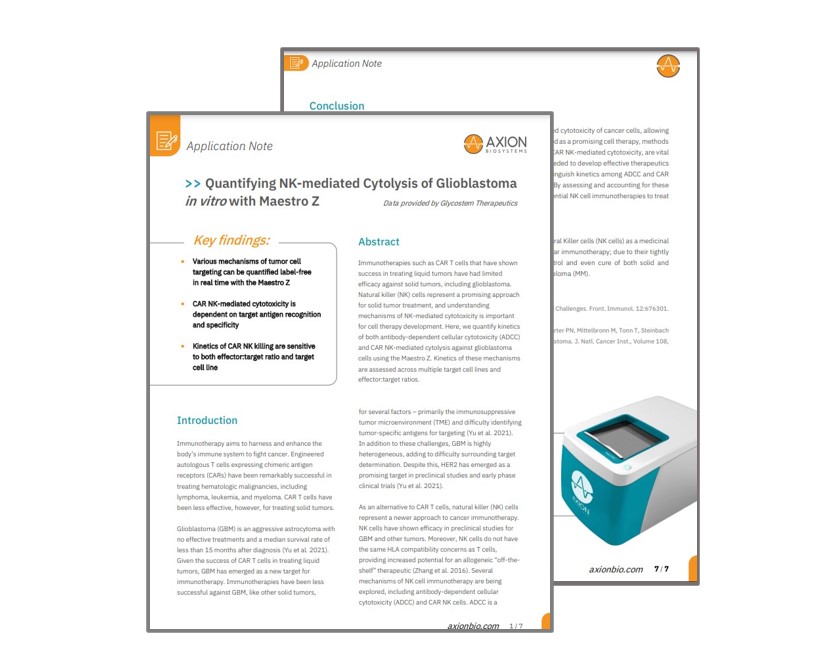
Explore how real-time impedance measurements can be used to characterize NK-cell-mediated cytotoxicity and antibody-dependent target-cell killing.
Designing a robust ADCC assay
Endpoint assays remain essential tools in virology. But a single measurement only captures the state of the experiment at one moment in time.
ADCC assay performance depends on maintaining sufficient separation between baseline effector-cell cytotoxicity and antibody-dependent target-cell killing. Assay development should therefore focus on establishing a reproducible dynamic range while controlling the experimental variables that influence both the magnitude and kinetics of the response.
Key parameters include:
- >> Effector-to-target ratio: Select an E:T ratio that produces measurable antibody-dependent enhancement without excessive antibody-independent killing.
- >> Antibody concentration: Use concentrationdose-response experiments to characterize potency and ensure comparisons are made within an informative assay window.
- >> Target-cell density and antigen expression: Maintain consistent target-cell preparation and verify that antigen expression is sufficient to support reproducible antibody-mediated activity.
- >> Effector-cell source and donor variability: Primary NK-cell populations can differ substantially in baseline cytotoxicity and ADCC response, making donor selection and characterization important components of assay development.
- >> Controls: Include conditions that distinguish baseline target-cell behavior, effector-cell cytotoxicity, antibody effects, and Fc receptor-dependent activity.
- >> Assay duration: Select a time window that captures meaningful separation between conditions before maximal killing compresses the response range.
Consider the kinetics, not only the endpoint
Endpoint measurements can provide a useful summary of cytotoxicity, but they may obscure differences in the onset, rate, and duration of target-cell killing.
Continuous monitoring can reveal whether two treatments that produce similar endpoint values reach that outcome through different response kinetics. This can be particularly useful when evaluating antibody concentration, E:T ratio, donor variability, or treatment combinations.
With Maestro Z, adherent target-cell responses can be monitored continuously using label-free impedance measurements, allowing researchers to follow ADCC kinetics throughout the experiment and identify the most informative assay window.

Ready to run your assay? Follow Axion’s Immuno-oncology Potency Assay Cell Culture Protocol for a step-by-step Maestro Z workflow, including CytoView-Z plate preparation, target-cell seeding, effector-cell addition, and real-time impedance measurements.
From ADCC measurement to functional insight
An ADCC assay should do more than determine whether target-cell killing occurs.
By monitoring the response over time, researchers can investigate how quickly killing begins, how strongly the response develops, and how experimental variables alter the behavior of the system.
This can support studies investigating:
| Therapeutic antibody potency | Fc-dependent mechanisms of action |
| Antibody concentrationdose-response relationships | E:T ratio optimization |
| Donor variability | Combination treatments |
| NK-cell function | Immune cell-mediated cytotoxicity |
Follow the response, not just the endpoint.
The Maestro Z platform provides real-time, continuous, label-free impedance measurements for cell viability and immune cell-mediated killing, allowing researchers to characterize these responses without repeating multiple endpoint assays.
Frequently asked questions about ADCC assays
Yes. Maestro Z uses noninvasive impedance measurements to monitor changes in adherent target-cell populations continuously and without fluorescent labels or reporters. This enables longitudinal measurement of the same wells throughout the assay.
Impedance primarily reflects cells interacting with the electrode-containing surface, so assay design depends on which population provides the measurable signal. In ADCC assays, adherent target cells can be monitored while suspension effector cells, such as NK cells, are added. Suspension target cells may also be measured by using an antibody coating to anchor them to the electrode surface, as described in the Non-Adherent Cell Lines Protocol. Suitability and assay conditions may require optimization based on the cell types being used.
Both can be informative. Endpoint values are useful for standardized comparisons, while kinetic measurements can reveal differences in onset, rate, and duration of cytotoxicity that may not be apparent at a single time point. During assay development, evaluating the full response curve can help identify the most informative endpoint and uncover treatment-dependent kinetic effects.